As educators, we've all witnessed it: the wide eyes, the clenched fists, the racing heart, or perhaps the withdrawal and shut-down. These can be signs of a fight or flight response – the body's natural reaction to perceived danger. While this response is instinctual, for students experiencing heightened stress or sensory sensitivities, it can be overwhelming and disruptive to learning.
The good news is that incorporating sensory wellness activities can provide a powerful way to help students navigate these intense moments and return to a state of calm and regulation. By thoughtfully engaging their senses, we can help them ground themselves in the present moment and downregulate their nervous systems.
Here's how you can use sensory wellness activities when a student is experiencing a fight or flight episode:
Understanding the "Why": The Sensory System and Stress
Before diving into activities, it's crucial to understand the connection between the sensory system and the stress response. When a student feels threatened, their body releases stress hormones, leading to heightened sensory awareness. Certain sensory inputs that might normally be tolerable can become overwhelming, further fueling the fight or flight response. Conversely, calming sensory input can send signals of safety to the brain, helping to counteract this response.
Immediate Actions: Prioritizing Safety and Connection
During an active fight or flight response, the first priority is always the student's safety and the safety of those around them.
* Remain Calm: Your calm demeanor can be contagious. Speak in a soft, reassuring voice.
* Offer Space (If Safe): Sometimes, the best thing you can do is provide the student with a safe, quiet space where they can de-escalate without feeling watched or pressured.
* Validate Their Feelings: Acknowledge their distress without judgment. Phrases like "I see you're feeling really upset right now" can be validating.
Sensory Wellness Activities to Support Regulation:
Once the immediate situation is stable, you can introduce sensory activities to help the student regulate. Remember to offer these as choices and respect if a student isn't receptive at that moment.
For Students Exhibiting "Fight" Response (Agitation, Restlessness):
* Heavy Work/Proprioceptive Input: These activities provide deep pressure that can be calming and grounding.
* Pushing or pulling: Offer a resistance band to pull on or a weighted cart to push.
* Carrying something heavy: If appropriate, ask them to carry a stack of books or a weighted object.
* Squeezing: Provide a stress ball, fidget toy, or even allow them to squeeze their hands together tightly (if safe).
* Oral Motor Activities: Chewing and sucking can be surprisingly regulating.
* Chewy tubes or necklaces (with supervision): These provide a safe outlet for oral sensory needs.
* Crunchy snacks (if appropriate and allowed): The act of chewing can be calming.
* Drinking through a straw: The deep sucking action can be regulating.
* Movement Breaks: Controlled movement can help release pent-up energy.
* Wall push-ups: Pushing firmly against a wall can provide proprioceptive input.
* Chair dips: Simple chair exercises can offer a physical outlet.
* Quiet pacing (if contained and safe): Rhythmic movement can be soothing for some.
For Students Exhibiting "Flight" Response (Withdrawal, Shut-Down):
* Tactile Activities: Gentle touch and varied textures can help bring them back to their bodies.
* Soft textures: Offer a soft blanket, a smooth stone, or a piece of velvet to touch.
* Water play (if appropriate): The sensation of water can be calming.
* Sensory bins: Offer a bin with calming materials like dried beans, rice, or smooth stones.
* Visual Activities: Gentle visual input can be less overwhelming than auditory input.
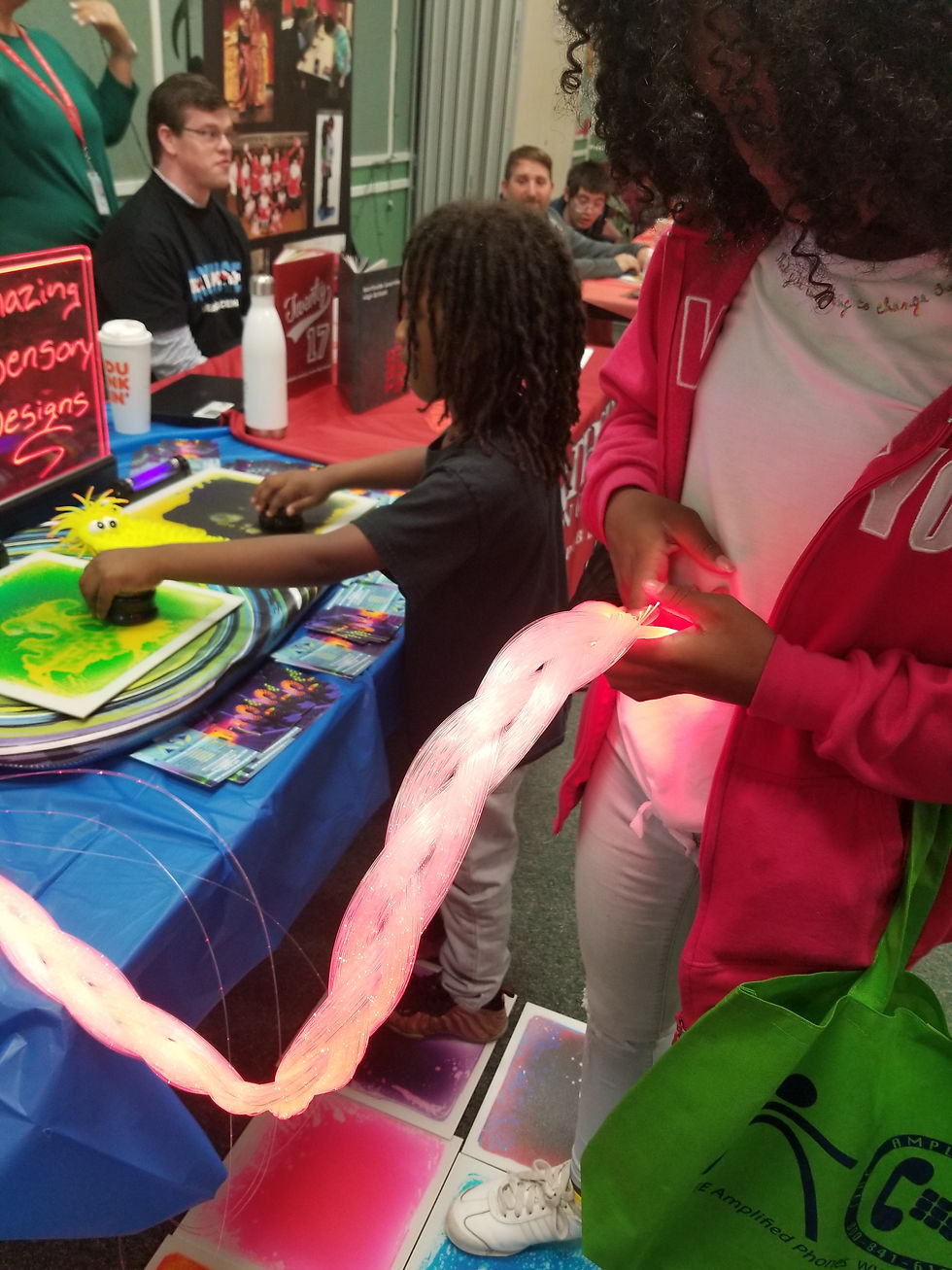
* Calming visual aids: Provide a lava lamp, a calming glitter jar, or a nature scene to focus on.
* Dim lighting (if possible): Reducing bright or harsh lights can be helpful.
* Auditory Activities: Soft, predictable sounds can be grounding.
* Quiet music or nature sounds: Offer calming instrumental music or sounds of rain or waves through headphones.
* White noise: This can help to block out other distracting sounds.
Important Considerations:
* Individualization: What works for one student may not work for another. Pay attention to individual preferences and responses.
* Choice and Control: Offer students choices in the activities they engage in. This can help them feel more in control during a stressful time.
* Predictability and Routine: Incorporate sensory wellness activities into your daily routines, not just during moments of crisis. This can help students develop self-regulation skills proactively.
* Collaboration: Work with school counselors, occupational therapists, and families to develop individualized sensory support plans.
* Self-Care: Remember that supporting students experiencing fight or flight can be emotionally draining. Prioritize your own well-being.
By understanding the connection between sensory input and the stress response, and by thoughtfully implementing sensory wellness activities, you can create a more supportive and regulated learning environment for all your students, helping them navigate the storms of fight or flight and find their way back to calm waters.