


Sensory Seeking vs Sensory Avoiding: How to Understand Your Childs Unique Needs

A child who crashes into the couch again and again may be asking for the same thing as a child who covers their ears at a birthday party: help feeling safe in their body.
Sensory processing can shape how a child moves, plays, eats, sleeps, dresses, and reacts to the world around them. During Sensory Processing Disorder Month, it is a good time to look past the surface behavior and ask a better question: What is my child’s nervous system trying to manage right now?
Some children seek more sensory input. Others avoid it. Many do both, depending on the setting, the type of input, and how tired or stressed they feel. Understanding the difference can make daily life feel less like a guessing game and more like a pattern you can support.
This article is informational only and is not a diagnosis or medical advice. If sensory needs affect daily life, an occupational therapist, pediatrician, or qualified clinician can help you understand what is going on.

Sensory processing affects how a child experiences everyday life
Sensory processing is the way the brain receives and responds to information from the body and the environment. That includes the familiar senses, like touch, sound, sight, smell, and taste. It also includes body-based senses that often explain many confusing behaviors.
The vestibular sense helps with balance and movement. It is connected to spinning, swinging, climbing, and knowing where the head is in space.
The proprioceptive sense helps a child feel their muscles and joints. It is connected to pushing, pulling, carrying, jumping, squeezing, and deep pressure.
The interoceptive sense helps a child notice internal body signals, like hunger, thirst, bathroom needs, temperature, pain, and a racing heart.
When sensory processing works smoothly, a child can often respond to the world without much thought. When it is harder, ordinary moments can feel too big, too quiet, too scratchy, too bright, too unpredictable, or not stimulating enough.
That is why sensory responses can look like behavior problems from the outside. A child may refuse socks because the seam feels unbearable. Another may chew pencils because their mouth needs input to stay focused. One child may melt down in a grocery store because the lights, carts, music, smells, and people all hit at once.
The behavior is real. The need underneath it is real too.
Sensory seeking often looks like a child needs more input
A sensory-seeking child tends to look for more intensity, more movement, more pressure, or more sensation. This child may seem “always on,” but the goal is not to be difficult. Their nervous system may need stronger input to feel organized, awake, or calm.
Common sensory-seeking signs include:
Crashing into pillows, couches, or people
Jumping, spinning, climbing, or running often
Chewing on clothing, pencils, toys, or fingers
Loving tight hugs, heavy blankets, or being squeezed
Touching everything while walking through a room or store
Making loud sounds or seeking noisy toys
Enjoying strong flavors, crunchy foods, or sour foods
Having trouble sitting still during meals, homework, or circle time
Playing roughly without always noticing how much force they use
Seeking can be easy to misread. A child who bumps into others may not be trying to hurt anyone. They may have poor body awareness or may crave deep pressure. A child who talks loudly may not realize how loud they are. A child who spins until dizzy may be trying to feed the movement system.
Many sensory seekers do best when they get safe, planned input throughout the day. That input is often called a sensory diet, though it does not mean food. It means a set of activities chosen to meet the child’s sensory needs.
Helpful options may include:
Animal walks across the room
Wall pushes or chair push-ups
Carrying a laundry basket with light items
Jumping on a safe indoor trampoline
Crawling through a tunnel
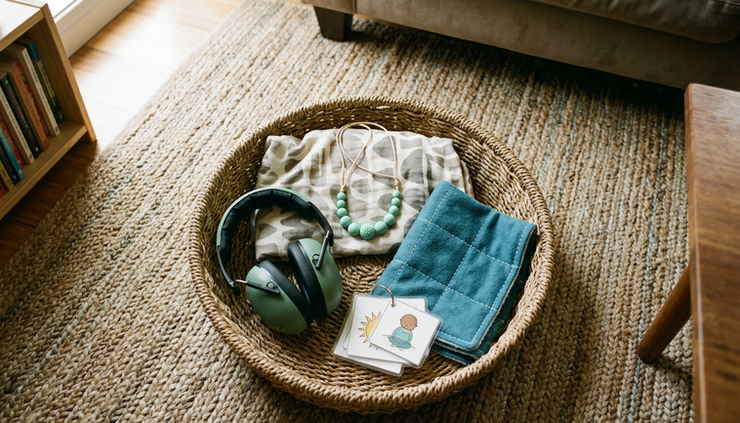
Chewing approved sensory jewelry
Drinking thick smoothies through a straw
Using a weighted lap pad during seated tasks, with guidance from a professional
The goal is not to tire the child out. The goal is to help their body feel organized enough to participate.

Sensory avoiding often looks like a child needs less input
A sensory-avoiding child reacts strongly to input that others may barely notice. Sounds may feel painful. Clothing may feel like sandpaper. A crowded room may feel overwhelming. Food smells may cause gagging. Bright lights may bring tears or headaches.
Common sensory-avoiding signs include:
Covering ears during loud or unexpected sounds
Refusing certain clothing, tags, socks, shoes, or fabrics
Avoiding messy play, finger paint, sand, grass, or glue
Melting down in busy places like stores, parties, or school events
Being very selective about foods, textures, smells, or temperatures
Squinting, hiding, or becoming upset in bright light
Pulling away from hugs or unexpected touch
Becoming upset with hair brushing, toothbrushing, nail trimming, or baths
Needing extra time before joining group activities
Avoiding is not the same as being picky, spoiled, shy, or stubborn. The child may truly feel overloaded.
A sensory-avoiding child often needs predictability, control, and a way to reduce input before distress builds. Small changes can help.
Try supports such as:
Noise-reducing headphones in loud places
Soft, tagless clothing or seamless socks
A quiet break space at home
Sunglasses or a hat in bright settings
Advance warning before touch, grooming, or transitions
Unscented products when smells are hard
Limited choices during dressing or meals
Short visits to overwhelming places, followed by recovery time
For example, a trip to the grocery store may go better when the child wears headphones, helps push the cart, and knows the visit will be short. A morning routine may improve when clothing is chosen the night before and uncomfortable items are removed from the drawer.
Support does not mean the child never faces hard sensations. It means they build tolerance with safety, trust, and the right pace.
Some children seek and avoid at the same time
Sensory patterns are rarely neat. A child can crave movement but hate loud sounds. Another may love tight hugs but refuse light touch. A child may seek crunchy foods but gag at soft foods. Some children seek input when calm and avoid it when tired.
This is why labels can help, but only up to a point. The real value comes from noticing the pattern.
Sensory seeking may sound like
“I need more input to feel my body.”
A child crashes, climbs, spins, chews, or pushes.
Support often adds safe input.
The child may seem restless or rough.
Sensory avoiding may sound like
“This input feels too intense for my body.”
A child hides, covers ears, refuses, cries, or escapes.
Support often reduces input and adds predictability.
The child may seem anxious, rigid, or withdrawn.
A child’s response can also change based on the sensory system involved.
A child may:
Seek vestibular input by swinging for a long time
Avoid auditory input by crying when the blender turns on
Seek proprioceptive input by asking for tight hugs
Avoid tactile input by refusing finger paint
Seek oral input by chewing shirt collars
Avoid smell input by gagging near certain foods
The same child can have all of these patterns. That does not mean the behavior is random. It means the child’s nervous system has different thresholds for different kinds of input.
The phrase Sensory Seeking vs Sensory Avoiding How to Understand Your Childs Unique Needs points to a key parenting shift. Instead of asking which category a child fits into forever, look at what their body needs in that moment.

A simple way to read the behavior before reacting
When a child is melting down, crashing, refusing, or running away, it can be hard to pause. Still, a brief check can reveal what kind of support may help.
Start with three questions.
What happened right before the behavior
Look at the setting, not just the child.
Was there a sudden sound? A clothing change? A transition? A smell? A demand to sit still? A crowded room? A skipped snack? A poor night of sleep?
Sensory stress often builds before it shows. A child may hold it together at school, then fall apart at home. That does not mean the behavior is fake. Home may be where the body finally releases the overload.
Is the child moving toward input or away from it
This question is often the fastest clue.
A child moving toward input may jump, chew, squeeze, touch, spin, shout, or crash. They may need safe ways to get more sensation.
A child moving away from input may hide, cover ears, freeze, cry, refuse, run, or cling. They may need less input, more space, or more warning.
Some children do both in the same event. At a birthday party, a child may run wildly around the room, then hide under a table when everyone sings. Their movement may have been an effort to regulate before the noise became too much.
What helps the child recover
Recovery tells you a lot.
Does the child calm after deep pressure, heavy work, swinging, or chewing? Seeking may be part of the pattern.
Does the child calm after quiet, darkness, space, or fewer people? Avoiding may be part of the pattern.
Keep notes for a week if you can. They do not need to be formal. A few lines on your phone can help you see patterns.
Try this simple format:
What was happening
What the child did
What seemed to help
What made it worse
Patterns are easier to spot when they are written down.
How to support your child without turning life into therapy
Children need support, but they also need regular childhood. The best sensory strategies often fit into daily routines without making the whole day feel clinical.
Start small. Choose one stressful time of day, such as getting dressed, leaving for school, mealtime, bath time, or bedtime. Then adjust the sensory load.
For a child who seeks input before school, a morning routine might include wall pushes, carrying a backpack to the door, or jumping on floor spots before shoes go on.
For a child who avoids input before school, the routine might include soft clothing, dimmer lights, a quieter breakfast space, and a visual checklist to reduce verbal reminders.
For a child who struggles at bedtime, think about the kind of input their body receives in the hour before sleep. Some children settle with deep pressure, slow rocking, firm massage, or a consistent blanket. Others need reduced noise, low light, and fewer demands.
A helpful plan often includes both prevention and response.
Prevention means setting the child up before overload or dysregulation happens. Response means helping after the child is already struggling.
Both matter.
For sensory seekers, prevention may include planned movement breaks. Response may include a safe crash pad or heavy work when the child starts bumping into others.
For sensory avoiders, prevention may include headphones in loud settings. Response may include leaving the noisy area before panic grows.
What matters most is the message behind the support: Your body is giving us information, and we can listen to it.
That message helps children build self-awareness over time. A young child may first need an adult to say, “Your ears look like they need a break.” Later, that child may learn to say, “I need my headphones,” or “I need to jump.”
Those are powerful skills.
When to ask for more help
Sensory differences can be part of many developmental profiles, including autism, ADHD, anxiety, developmental delays, or sensory processing challenges on their own. A child does not need a label before their needs deserve support.
It may be time to ask for professional guidance when sensory responses:
Interfere with school, sleep, eating, hygiene, or family routines
Lead to frequent distress or meltdowns
Cause safety concerns, such as crashing into unsafe objects
Limit play, social time, or community outings
Create major conflict around daily care tasks
Seem to be getting more intense
An occupational therapist can assess sensory patterns and suggest activities that match the child’s needs. A pediatrician can help rule out hearing, vision, pain, sleep, allergy, feeding, or other medical issues that may affect behavior. If anxiety, attention, communication, or development also seem involved, a broader evaluation may help.
Support works best when adults share observations without blame. Instead of saying, “They refuse everything,” it may help to say, “They cover their ears during hand dryers, cry during hair brushing, and calm in a quiet room.” Specific details lead to better help.
The takeaway for Sensory Processing Disorder Month
Sensory seeking and sensory avoiding are not character flaws. They are clues. One child may need more movement, pressure, or oral input to feel grounded. Another may need quiet, softer clothing, fewer smells, or more control to feel safe. Many children need a mix of both.
The goal is not to fit a child into a perfect category. The goal is to understand their signals with more compassion and less guesswork.
Watch what they move toward. Notice what they move away from. Track what helps them recover. Then build small supports into the day.
When children feel understood, they are better able to learn, connect, play, and grow. And when adults see the need beneath the behavior, the whole family gets more room to breathe.


Comments